

Atlanta Local Food: How Neighborhood Kitchens Shape the City's Identity
By SFS / January 28, 2026
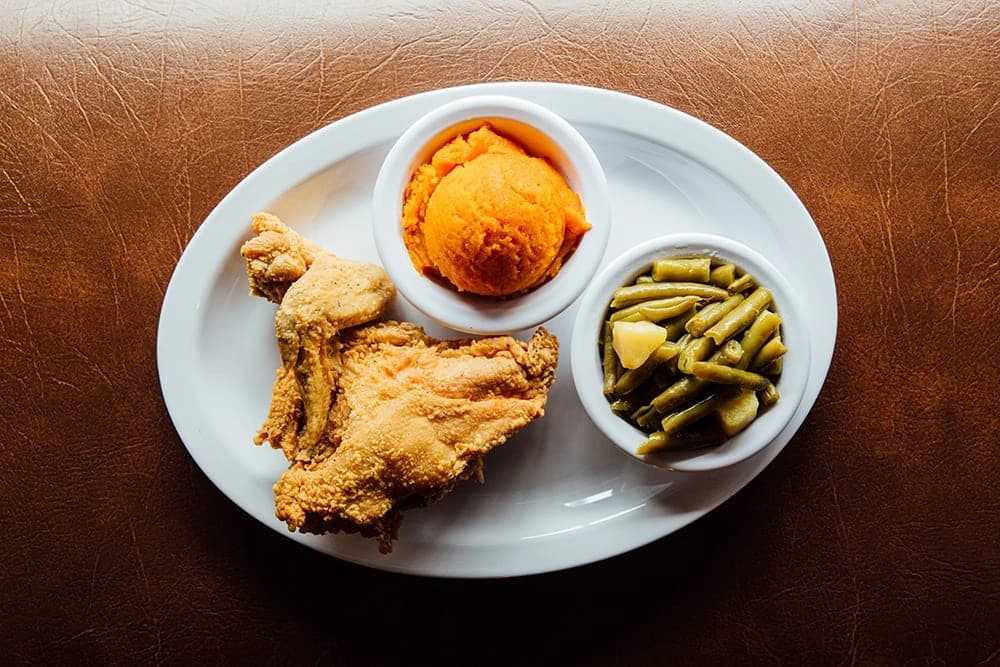
Atlanta's food scene has never been driven by spectacle. Its strength comes from neighborhoods, from small kitchens that grow into local fixtures, and from cooks who tell personal stories through what they serve. That's why atlanta local food isn't a single style or cuisine, it's a living map of the city itself. To understand how Atlanta eats, you have to look at the places that feed the people who live here, not just the spots that attract headlines.
From East Atlanta to the Westside, local food in Atlanta reflects migration, memory, and community. Southern traditions coexist with global influences, often in the same block. What ties it all together is intention: food made by locals, for locals, with a sense of place that can't be replicated elsewhere.
What "Local Food" Really Means in Atlanta
In Atlanta, local food isn't limited to sourcing or geography. It's about ownership, voice, and consistency. Many of the city's most respected kitchens are independently run, deeply connected to their neighborhoods, and built through word of mouth rather than hype.
These are the spots where menus evolve slowly, shaped by regulars and seasonal rhythms instead of trends. The cooking may be Southern, Caribbean, Latin American, African, or something harder to define, but it always carries context. You can taste where the cook is from, what they grew up eating, and how Atlanta has influenced their approach.
That's the difference between food that exists in a city and food that belongs to it.
Neighborhoods as Culinary Anchors
Atlanta's size and sprawl make its neighborhoods essential to understanding its food culture. Local dining scenes develop independently, often reflecting the people who live there rather than a citywide identity.
East Atlanta leans casual and creative, with kitchens that favor personality over polish. Southwest Atlanta holds deep ties to traditional Southern cooking, while Buford Highway continues to be one of the most culturally diverse food corridors in the country. Each area adds another layer to what "local" means, and none of them cancel the others out.
This decentralization is one of Atlanta's strengths. There's no single food district dictating taste. Instead, the city's culinary identity grows outward, shaped by dozens of communities at once.
The Rise of Shared Spaces and Community Kitchens
In recent years, shared dining spaces and food halls have played a key role in supporting atlanta local food. These environments lower the barrier for small operators while keeping them visible and accessible. When done right, they function less like food courts and more like neighborhood gathering places.
What matters most in these spaces isn't volume, it's balance. A handful of strong, independent concepts tends to resonate more than endless options with no point of view. When food halls prioritize local operators and programming tied to the community, they become part of daily life rather than a one-time stop.
These spaces also allow different food cultures to exist side by side, mirroring how Atlantans actually eat.
Why Local Food Thrives Here
Atlanta is a city shaped by movement. People arrive from other states, other countries, and other parts of the South, bringing their foodways with them. Local food thrives because it adapts without losing its roots.
Chefs and cooks here aren't afraid to blend influences or reinterpret traditions. At the same time, there's deep respect for classics, fried chicken done right, slow-cooked greens, properly seasoned rice, and recipes passed down through families. Innovation doesn't erase memory; it builds on it.
This balance keeps the city's food culture grounded. It feels current without feeling detached.
Eating Local as a Way of Knowing the City
Choosing atlanta local food is one of the most direct ways to understand the city. It means supporting small businesses, yes, but it also means stepping into places where the pace, the conversations, and the cooking reflect real life.
Local restaurants aren't trying to impress everyone. They're trying to serve their people well. That focus creates loyalty, longevity, and a food scene that feels genuine rather than manufactured.
Atlanta's culinary story isn't written in a single dish or neighborhood. It's told across counters, dining rooms, and shared tables throughout the city. And that's exactly what makes its local food culture worth paying attention to.